Skip to content
SECA Holdings

Real Estate Credit

Real estate credit, from the ground up.

SECA Holdings buys non-performing and sub-performing commercial real estate loans, second liens and judgment liens directly from the lenders, funds and creditors that hold them. We start with the property, then price the paper.

Non-performing loans acquired and exited since 2025
$5mm
Real estate acquired and exited since 2025
$20mm+
Real estate portfolio managed in-house
$8mm

What It Is

Owning the debt, not the deed.

Real estate credit is the debt side of a property: the mortgages, liens and other claims that have to be paid before an owner sees a dollar. Buy one of those claims and you step into the creditor’s seat, with its rights against the real estate.

When a loan stops performing, whoever holds it has a decision to make: keep carrying it through a workout and the courts, or sell it to a buyer set up to finish the job. SECA is that buyer, and SECA NPL is the venture built for it.

Why it matters now

of commercial mortgages scheduled to mature in 2026, 17% of the $5.0tn outstanding
875 billion dollars
Mortgage Bankers Association, February 2026 (opens in a new tab)
of office loans in commercial mortgage-backed securities delinquent, and 7.87% across all property types
12.33 percent
Trepp, October 2026 (opens in a new tab)
of non-owner-occupied commercial real estate loans at banks with over $250bn in assets past due or on nonaccrual, against a 0.59% pre-pandemic average
3.08 percent
FDIC, second quarter 2026 (opens in a new tab)

Third-party market data, shown for context. It doesn’t describe SECA’s portfolio or performance.

What We Buy

Every position in the stack.

A property’s value pays its claims in order, from the ground up. Move the sale value and watch where the money runs out: that position has the most at stake.

  • Senior debt

    First lien mortgages

    The first claim on a property after taxes and costs, and usually the one that controls how things end. SECA underwrites it on what the collateral is worth today, not at origination.

    What we look at: Collateral value, payoff, title and legal status

    Discuss a first lien
  • Junior debt

    Second lien mortgages

    Paid only after the first, which is why many buyers pass. But a second lien can still negotiate, foreclose or cure a senior default, and it’s often where the leverage sits.

    What we look at: Equity above the first lien, the senior balance and the cost to cure

    Discuss a second lien
  • Court-created liens

    Judgment liens

    A money judgment recorded against real estate. In Connecticut it generally lasts 20 years and can be foreclosed like a mortgage. SECA buys them from creditors who would rather be paid now.

    What we look at: The judgment, the recorded lien, its priority and the path to collection

    Discuss a judgment lien
  • Ownership

    Equity

    Last in line, with all of the upside. A loan can resolve into ownership through a deed in lieu or foreclosure, and SECA also buys lender-owned real estate (REO) outright.

    What we look at: Value-add potential, the operating plan and the exit

    Discuss an asset

Who We Work With

Whoever is holding the paper.

Banks, funds, estates and creditors reach the same point from different directions. Pick your seat to see how a sale would work for you.

The Difference

One buyer, start to finish.

Many loan sales pass through several hands. At SECA, the people who read your file are the ones who buy it, work it out and run the property.

Who you deal with
The usual route: A broker, then an analyst, then a committee you never meet.
With SECA: The buyer. Every inquiry reaches Seth Caslin, SECA’s founder and managing partner, directly.
How it’s priced
The usual route: A discount to the unpaid balance, worked out from a loan tape.
With SECA: From the property up: what the real estate is worth today, what stands ahead of the position and what it will take to resolve.
What gets a look
The usual route: Clean first liens above a minimum size.
With SECA: First liens, second liens and judgment liens, including positions other buyers pass on.
Where the read comes from
The usual route: The seller’s file and third-party reports.
With SECA: Your file, checked against the judicial, bankruptcy, land record and tax filings SECA’s in-house development team tracks in real time.How our data works
Who handles the property
The usual route: Outside managers and vendors, brought in after the fact.
With SECA: RIVA Management, SECA’s own property management arm. Knowing we can run the real estate shapes what we’re willing to buy.

How It Works

Your part ends at closing. Ours begins.

Five steps to a clean exit, built around your objectives and your date. Everything after that is on us.

  1. First read

    You

    Share the basics: the collateral, what’s owed, where things stand and what you need.

    SECA

    Seth Caslin reviews it personally and tells you early whether it’s a fit.

  2. File review

    You

    Open the file under a confidentiality agreement: note, mortgage, pay history, title, court papers.

    SECA

    Underwrites the property first, then the lien: value, priority, legal status, cost and time to resolve.

  3. Offer

    You

    Weigh the price against the time, cost and uncertainty of continuing to hold.

    SECA

    Puts price, schedule and conditions in writing, with open issues flagged now, not at the closing table.

  4. Diligence

    You

    Answer questions as they come up, on a schedule set at the start.

    SECA

    Confirms title, collateral and the chain of documents, and keeps you informed throughout.

  5. Closing

    You

    Sign the sale agreement and deliver the assignment, the note with its allonge and the file.

    SECA

    Funds at closing and takes on the credit.

Closing

The credit moves to SECA, along with everything that comes with it.

  1. Richard D. Tulisano Courthouse in Hartford, Connecticut, a limestone building with tall columns under a blue sky

    Resolve

    We work with the borrower, counsel and other parties toward the right outcome for the asset, from a negotiated settlement to the courts.

    • Reinstatement or payoff
    • Discounted payoff
    • Restructure or forbearance
    • Deed in lieu
    • Foreclosure
    • Bankruptcy claims
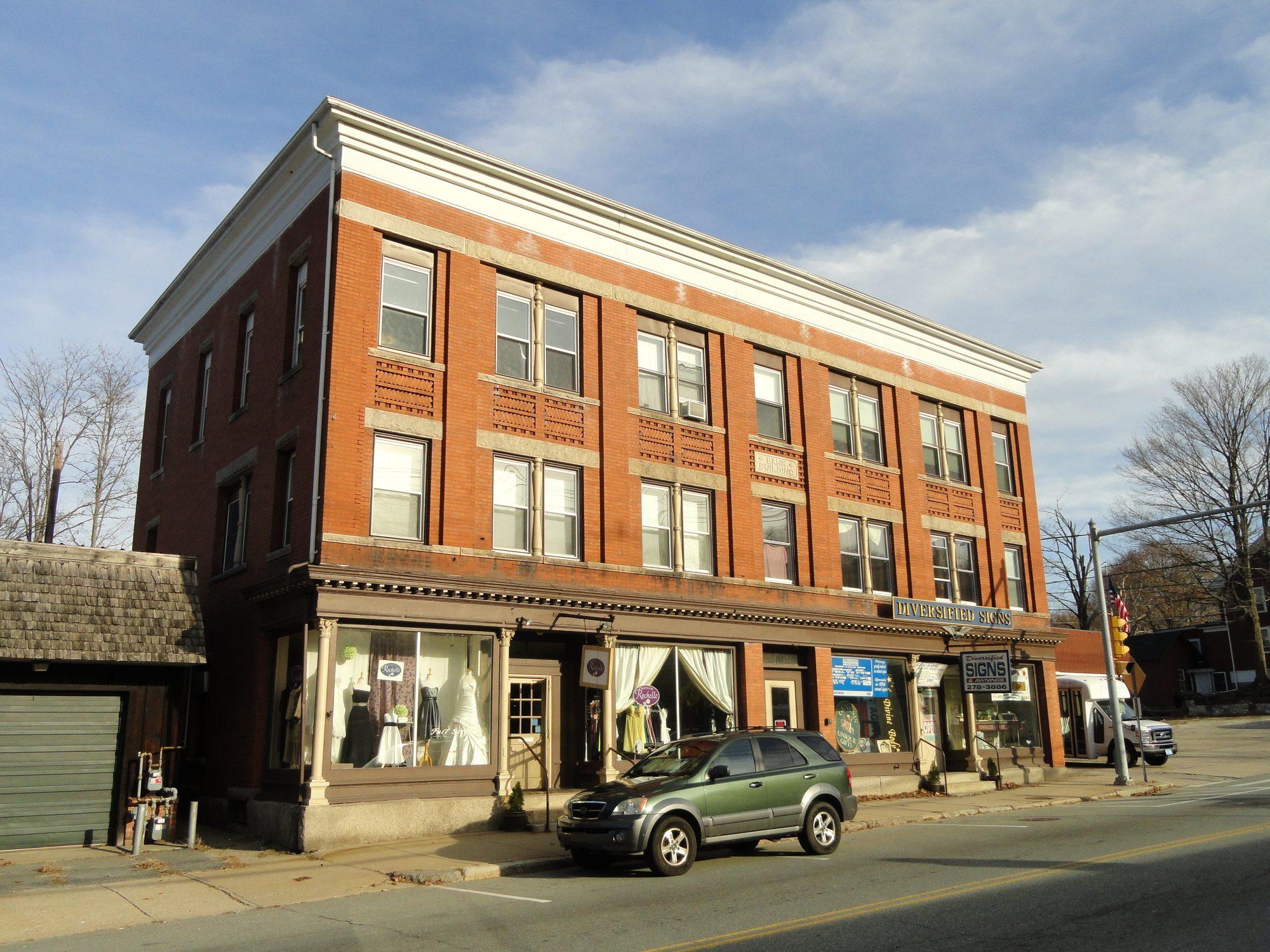
  2. Five-storey brick and stone apartment block on a street corner

    Operate

    When the real estate comes to us, RIVA Management and the team take it on: securing the property, organizing records, coordinating vendors, setting budgets and addressing vacancies and repairs.

  3. Long red-brick mill building reflected in a canal

    Exit

    A loan pays off, or a stabilized property is refinanced or sold. Exits are how SECA keeps score: $5mm of non-performing loans and more than $20mm of real estate acquired and exited since 2025.

Questions

Credit, in plain terms.

How real estate credit works, and what to expect when you sell to SECA.

Credit basics

What is real estate credit?

It’s the debt side of real estate: mortgages, liens and other claims secured by a property, as opposed to owning the property itself. A credit investor is paid from the debt, with the real estate standing behind it as collateral.

What makes a loan non-performing?

Banks generally treat a loan as non-performing, or noncurrent, once it’s 90 or more days past due or on nonaccrual status. A sub-performing loan is still paying something, but it’s behind, in breach of its terms or unlikely to reach maturity without a fix.

What is a judgment lien?

A court judgment recorded against a debtor’s real estate. In Connecticut it’s created by recording a judgment lien certificate with the town clerk, and it can be foreclosed or redeemed in the same way as a mortgage. It expires 20 years after the judgment, or 10 for a small claims judgment, unless a foreclosure action is started and a lis pendens recorded within that time.

Read Conn. Gen. Stat. § 52-380a (opens in a new tab)
What is strict foreclosure?

Connecticut foreclosures run through the courts and usually take one of two forms. In a strict foreclosure the court sets law days, deadlines for the owner and junior lienholders to redeem by paying the debt; if nobody does, title passes to the foreclosing lender with no auction. In a foreclosure by sale, the court orders the property sold at public auction. The choice is at the court’s discretion.

Read Conn. Gen. Stat. § 49-24 (opens in a new tab)
Why would anyone buy a loan in default?

Because the value is in the real estate behind it. A buyer who can underwrite the property, work through the legal process and run the building if it comes to that can see value in a loan that no longer fits a lender’s business.

Selling to SECA

How does SECA price a loan?

From the property up. We work out what the real estate is worth today, what stands ahead of the position, and what it will cost and how long it will take to resolve, and price the loan from there.

What do you need for a first read?

For a loan: the collateral address, unpaid balance, payoff figure, rate, maturity date and status, plus the last appraisal if you have one. For a judgment lien: the judgment amount, the property address and the judgment and lien documents. The full file can wait until there’s a fit.

How long does a sale take?

It depends on the file, the collateral and where the legal process stands, so the schedule is set with you at the start and built around your date. If you have a hard deadline, such as a quarter-end, say so in your first message.

Can we keep this confidential?

Yes. We’re glad to sign a confidentiality agreement before you share loan files.

What happens to the borrower after a sale?

The borrower is notified of the transfer and deals with SECA from then on. We start by talking: a loan can resolve through a payoff, a settlement or a restructure, and the courts are one path among several.

Fluted stone columns on the facade of the Mechanics Savings Bank in Hartford, Connecticut, in black and white

Start a Conversation

Tell us what you hold.

A few details are enough for a first read. Every inquiry reaches Seth Caslin directly.

What helps us move quickly

For a loan

  • Collateral address
  • Unpaid balance and payoff figure
  • Rate, default rate and maturity date
  • Status, including any court case
  • Last appraisal, if you have one

For a judgment lien

  • Judgment amount
  • Property address
  • Judgment and lien documents

This page is general information about SECA Holdings’ business. It isn’t legal, tax or investment advice, and it isn’t an offer to buy or sell any loan or security, or a solicitation of one. Legal summaries are simplified and can change, so speak with your own counsel. Past results don’t guarantee future results.

Photography: Mechanics & Farmers Savings Bank, Bridgeport by Kenneth C. Zirkel, CC BY 4.0; New Haven County Courthouse by ajay_suresh, CC BY 2.0; Richard D. Tulisano Courthouse, Hartford by ajay_suresh, CC BY 4.0. Other photographs are public domain (CC0) or Unsplash. Images are illustrative and do not depict SECA properties or transactions.